The Automation Paradox: Why AI Makes Human Judgment More Important

Here's an uncomfortable truth for 2026: AI is the fastest learner in your organization. It doesn't need onboarding. It doesn't forget content after training ends. It doesn't lose focus halfway through a module or attend compliance training just to tick a box.
So why does this matter for course creators and L&D professionals? Because it fundamentally changes what learning should be about.
The Automation Paradox
At Happy Alien, we build tools that automate the tedious parts of course development—assembling Rise courses from storyboards, generating consistent character images, extracting content from legacy formats. We do this because we believe automation should free humans to do what they do best.
But here's the paradox: the more we automate, the more human judgment matters.
When AI can generate a course outline in seconds, the value shifts from "can you create content?" to "can you create the right content?" When AI can answer any factual question instantly, training that focuses on information delivery becomes nearly worthless.
What People Actually Struggle With
After countless conversations with instructional designers and L&D teams, one pattern emerges repeatedly. People rarely struggle because they don't know enough. They struggle because they don't know:
- What to prioritize when everything seems urgent
- How to decide under pressure with incomplete information
- When to trust AI-generated content and when to question it
- Who owns the decision when systems recommend one thing but experience suggests another
These aren't technical gaps. They're judgment gaps. And no amount of click-through training will close them.
The Real Learning Design Challenge
Traditional eLearning was built for a different era—one where the bottleneck was access to information. We created long programs, crammed them with content, and measured success by completion rates.
In 2026, information is everywhere. The bottleneck has shifted to:
- Interpretation: What does this information mean in my specific context?
- Application: How do I actually use this when things get messy?
- Judgment: What should I do when the answer isn't obvious?
This is why scenario-based learning has exploded in popularity. It's not about teaching facts—it's about building the mental models that help people make better decisions.
Soft Skills Aren't Soft Anymore
For years, we've politely labeled things like critical thinking, ethical decision-making, and accountability as "soft skills." In an AI-powered workplace, they're anything but.
When AI influences decisions, poor judgment scales faster. A small error—a bias in the training data, an assumption that doesn't hold—can ripple across systems, customers, and teams before anyone notices.
These capabilities aren't nice-to-haves anymore. They're risk management skills.
What Actually Works
From what we're seeing succeed in 2026, effective learning design tends to be:
- Short and situation-based — not 45-minute modules, but focused scenarios learners can complete in their workflow
- Embedded in daily work — learning that happens where decisions happen, not in a separate "training environment"
- Built around real decisions — the actual choices people face, with the actual constraints they deal with
- Designed to question AI — teaching people when to accept recommendations and when to push back
- Supportive of learning from mistakes — because judgment develops through experience, including failure
The Question Worth Asking
Before you build your next course, sit with this question: If AI can already do this faster, what human capability are we actually building?
If your learning initiative doesn't strengthen judgment, confidence, ethics, collaboration, or adaptability, it might not belong in 2026.
The organizations that will thrive aren't the ones with the most advanced AI tools. They're the ones whose people know when to trust AI, when to challenge it, and when to lead beyond it.
Where Happy Alien Fits
Our tools are designed with this philosophy in mind. We automate the assembly work—the repetitive formatting, the content extraction, the image consistency problems—so you can focus on what actually matters: designing learning experiences that build human judgment.
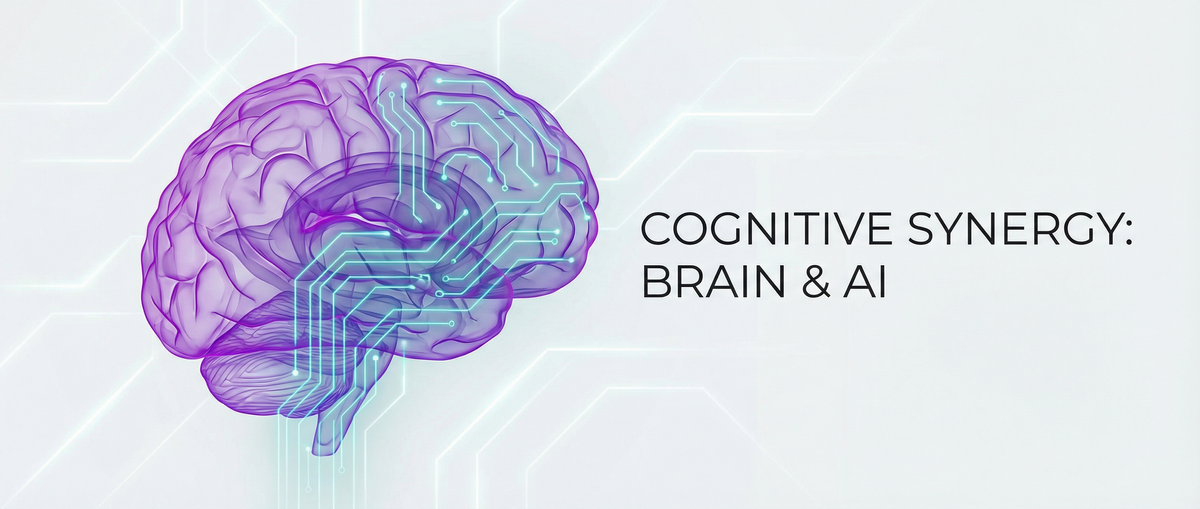
Because the future isn't humans versus AI. It's humans amplified by AI, making better decisions than either could alone.
That's the kind of learning worth building.