Beyond SCORM: A Practical Path Forward

SCORM still deserves credit.
It gave our industry a shared package format, and for a long time that solved the biggest problem in eLearning: portability.
But Giovanni Duarte is right, we are pushing a 2004 standard to do 2026 work.
Read Giovanni’s article here.
What SCORM still does well
- Content packaging that moves between LMS platforms
- Basic completion and score tracking
- A stable, familiar workflow for teams that need low risk
That part still matters.
Where teams hit the wall
In real projects, the friction usually shows up fast:
- Published content is mostly static when teams need fast updates
- Reporting tells you what completed, not where learning broke down
- Personalization is limited unless you hand-build complex branching
So teams keep SCORM for delivery, then build around it for everything else.
How we’ve handled this at Happy Alien
Our view has been simple. Keep what works. Add modern layers where SCORM falls short.
CourseSignals
CourseSignals lets teams push live overlays into active courses, alerts, CTAs, polls, and quick feedback prompts. That means when guidance changes, messaging changes too, without waiting on a full rebuild and republish cycle.
CoursePipelines
CoursePipelines gives teams a deeper optimization layer. You still get completion data, but you also see behavior patterns, drop-off points, and where interventions are needed. The LMS keeps delivering. CoursePipelines helps improve outcomes over time.
Custom work
Some orgs need more than product defaults. We build custom integrations that bridge legacy SCORM ecosystems with modern analytics, adaptive support flows, and accessibility-focused enhancements.
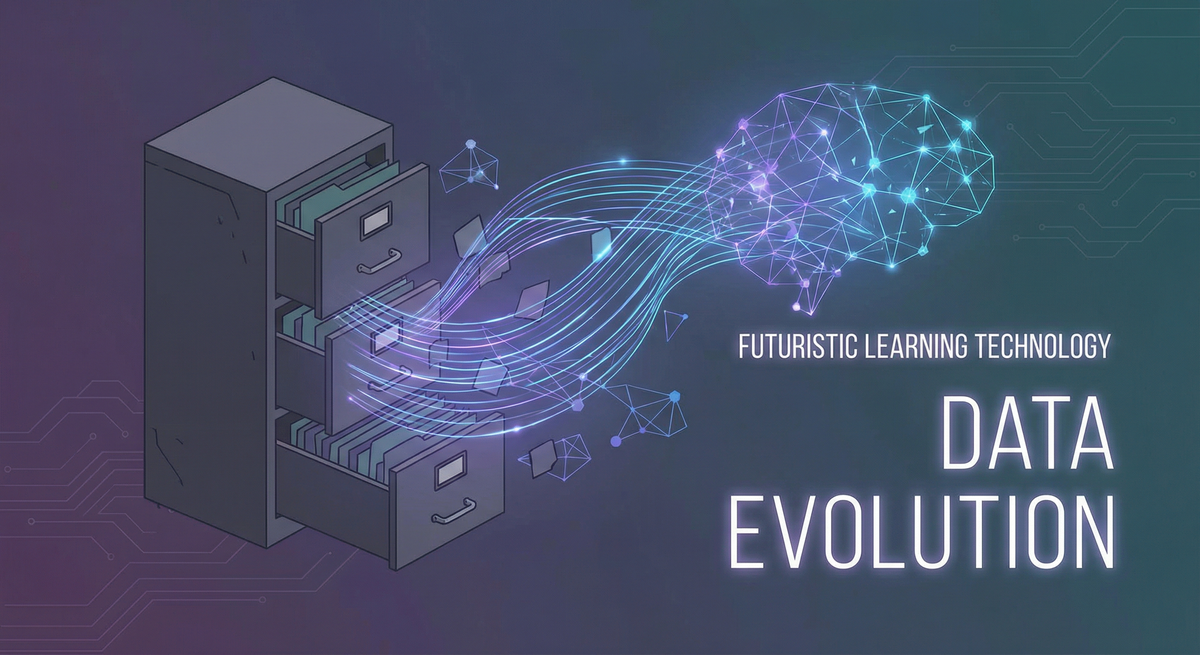
The practical path is hybrid
Most teams are not replacing SCORM overnight. That is just reality in enterprise learning.
What works now:
- Keep SCORM where portability and stability matter
- Add dynamic communication and analytics on top
- Design for future portability so you are not locked in later
Final take
We do need a better standard, and Giovanni is right to push that conversation.
Until that shift is mainstream, teams still need to ship. The smartest move is layered modernization, not a full reset.
Credit: This post is based on Giovanni Duarte’s article:
https://www.linkedin.com/pulse/learning-deserves-better-why-its-time-new-standard-beyond-duarte-rpvne/